Korean Face Reading: What Your Face Says, According to Gwansang
Korean face reading, or gwansang, is the practice of reading a person’s temperament, talents and the flow of their fortune from the features of the face. It is one of the oldest living traditions of physiognomy in East Asia, and it is still consulted in Korea today before interviews, business deals and even weddings. This page explains where it comes from, how a reader looks at a face, what each feature is said to mean, and how the 30 face types on this site are built. When you are done reading, you can take the free one-minute test and get your own reading.
What is Korean face reading?
The word gwansang is written with two Chinese characters: gwan, to observe, and sang, the form or appearance of a thing. The tradition grew out of classical Chinese texts such as the Mayi Xiangfa of the Song dynasty and the Shenxiang Quanbian of the Ming, and it took root in Korea during the Joseon dynasty, when manuals like the Liuzhuang Xiangfa were read by scholars, officials and matchmakers alike. A Korean reader and a Chinese reader will agree on almost every principle, because they share the same sources; what differs is emphasis and the everyday vocabulary that has grown up around it, such as the famous “fortune nose” or “Buddha’s ears”.
The core idea is simple. The face is divided into three zones. The upper zone, the forehead, is heaven: the blessings you received from parents and ancestors, your inborn wisdom and your fortune from about age 15 to 30. The middle zone, from the brows to the tip of the nose, is humanity: your own effort, your judgment and your fortune from 31 to 50. The lower zone, from the philtrum to the chin, is earth: what you harvest in later life, your luck with children and juniors, and your fortune after 60. When the three zones are of even length, fortune is said to flow evenly through life.
Within those zones sit the five organs: eyes, eyebrows, nose, mouth and ears. Each is given a title, like an official in a royal court, and each governs a particular kind of luck. The eyes are the inspecting official and reveal the heart. The brows are the guardians of longevity and show ties with siblings and friends. The nose is the discerning official and the treasury of wealth. The mouth is the official of income and expenditure, the gate through which blessings pass. The ears are the gathering officials, formed first in the womb and showing inborn luck and health.
How a reader looks at a face
A trained reader does not start with the shape of the nose or the size of the eyes. The first thing is gi, the energy or spirit of the face: whether the eyes are clear, the skin has a healthy sheen, and the expression is settled. The old books say that if the whole face counts for a hundred, the eyes alone count for fifty, and that bright eyes cover the shortcomings of every other feature. Only after judging the spirit does the reader move on to balance: whether the three zones are even, whether the left and right sides match, and whether the cheekbones support the nose the way ministers support a king.
Then come the individual features, each read for shape, flesh, color and position. Shape is inborn and tells of temperament. Flesh tells of present fortune: a face that has lost its fullness is said to have lost energy, while moderate flesh on the cheeks and chin means goodwill and a comfortable later life. Color changes day by day and is read as a signal about health and the immediate future. And every reading ends with the same reminder: sang yu sim saeng, the face follows the heart. Expression, habit and attitude reshape a face over years, which is why the tradition insists that fortune can be changed.
Feature by feature: a short summary
Below is a one-paragraph summary of each feature. Each links to a full guide with readings by shape and frequently asked questions. The full guides are written in Korean with English, Chinese and Japanese versions available through the language switcher at the bottom of the screen.
Eyes
The eyes carry half of the whole reading. In face reading the eyes are the window of the heart and the seat of midlife fortune. Large eyes, small eyes, upturned and downturned corners, phoenix eyes: what each shape says about personality and luck.
Nose
The nose is the treasury of the face. In face reading the nose is the treasury of wealth and the center of midlife fortune. High, fleshy, aquiline, small and upturned noses: what each shape means for money and character, plus how to read the bridge and wings.
Mouth
The mouth is the gate of blessings and the seat of later life. In face reading the mouth is the gate through which blessings pass and the seat of later-life fortune. Large and small mouths, thick and thin lips, upturned corners and bow lips: what each says about character and luck.
Forehead
The forehead is heaven: what you were given. In face reading the forehead shows heaven-given blessings, early-life fortune and wisdom. Wide, narrow, rounded, flat and M-shaped foreheads explained, plus how to read forehead lines.
Eyebrows
The brows are the fence around the eyes. In face reading the eyebrows show luck with siblings and people and the years 31 to 34. Thick, thin, straight, arched, drooping and long eyebrows explained with personality and fortune.
Ears
The ears are formed first and show inborn luck. In face reading the ears show inborn blessings, health and childhood fortune. Large and small ears, full and thin lobes, flat and protruding ears explained, including the meaning of 'Buddha's ears'.
Chin
The chin is earth: what you harvest. In face reading the chin corresponds to earth and shows later-life fortune, children and willpower. Round, pointed, square, double, cleft and protruding chins explained.
Moles
Moles are signposts, read by color before position. Face mole readings by position: forehead, brow, eye, nose, mouth, cheek and chin moles and what they mean for wealth, love and health, plus how color and sheen separate lucky moles from unlucky ones.
Face Shape
The outline is the vessel that holds everything else. Face reading starts with the overall outline. Round, oval, square, heart-shaped and long faces explained with personality and fortune, plus the five-element view of face shapes.
Cheekbones
The cheekbones are the ministers that support the nose. In face reading the cheekbones show power, drive and the strength to lead people. High, wide, low, fleshy and forward cheekbones explained, with the fortune of ages 46 and 47.
One minute, six choices, no sign-up. Works in English, Korean, Chinese and Japanese.
The 30 Korean face types
Classical texts describe dozens of named faces, such as the face of wealth and longevity or the face of the scholar official. The test on this site organizes that tradition into a clear system. Six fortunes are scored from your features: wealth, wisdom, success, relationships, health and luck. The strongest fortune and the second strongest are combined, which gives six times five, or 30 types. Every type carries a classical four-character name in Chinese characters, a plain-language title, a full description, a list of natural strengths, a word of advice from the reader, a lucky color and direction, and the types it is most compatible with.
For example, wealth first and health second gives Wealth and Longevity, the face of someone who keeps what they earn and lives long enough to enjoy it. Wisdom first and success second gives Scholar Official, the face that rises through learning. Relationships first and luck second gives Virtuous Blessing, the face that is helped by everyone it meets. A few of the 30 types are listed here; the full list is on the guide hub.
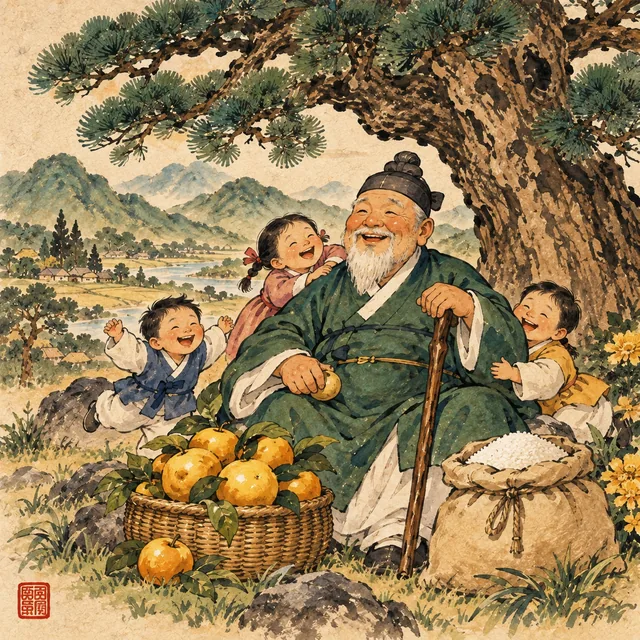
Wealth and Longevity
The most reassuring face, holding both wealth and health
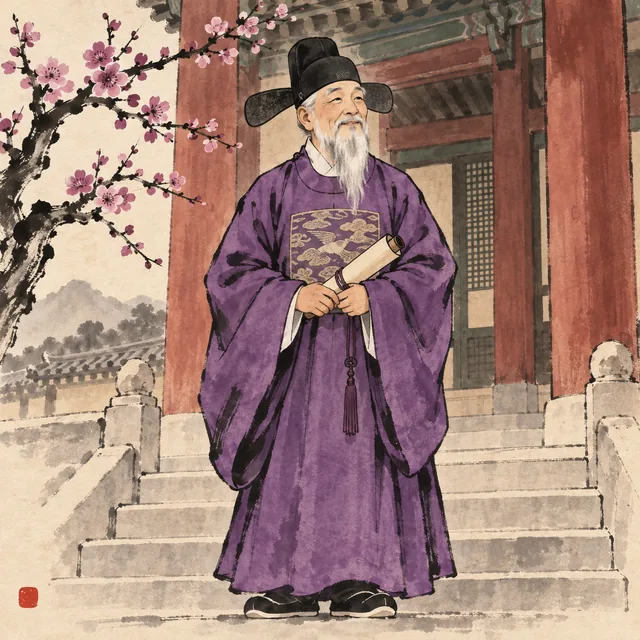
Scholar Official
The face that would have passed the royal exam in old times
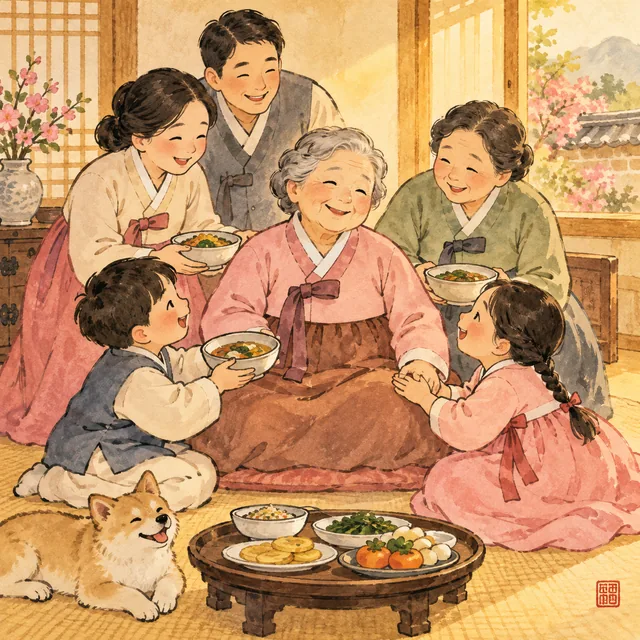
Virtuous Blessing
The face someone always reaches out to in hard times
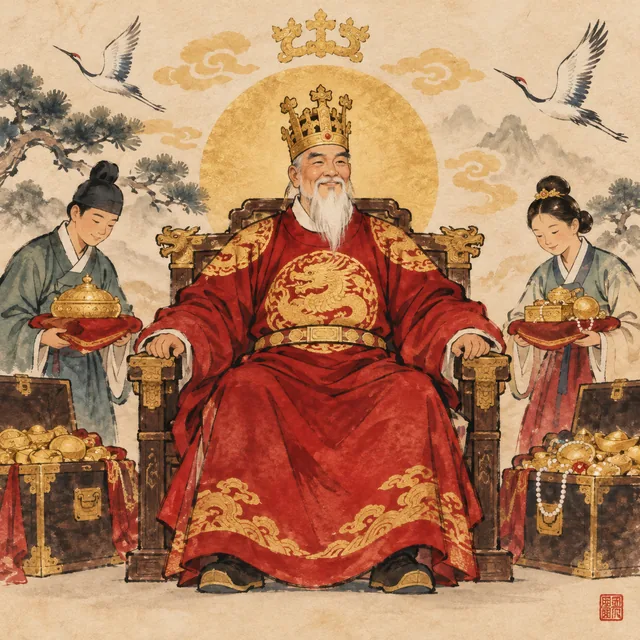
Royal Wealth
The noble face the old texts ranked first
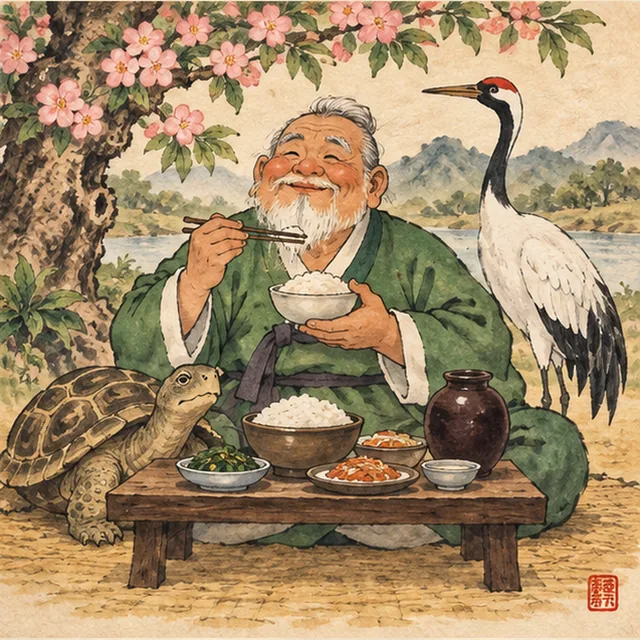
Healthy Blessing
The face whose health is its greatest blessing
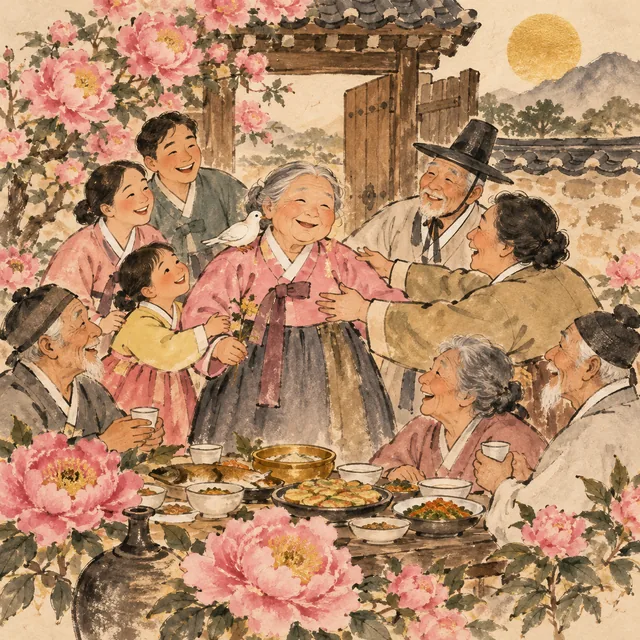
Blessed Wisdom
The face that knows how to keep what it was given
How the free test works
The test asks about six features: face shape, forehead, eyes, nose, mouth and chin. For each one you look in a mirror and choose the option that looks most like you, with a short description and a picture to help. Each option carries hidden scores for the six fortunes, drawn from the classical readings explained on this page. When you finish, the scores are added up, normalized so that no single fortune dominates, and matched to one of the 30 types. The result page shows your type with an illustration, a reading for each feature you chose, star grades for the six fortunes, and a daily face fortune that changes every morning.
If you prefer, you can upload a photo instead of choosing by hand. Face detection runs entirely inside your browser, the photo never leaves your device, and you can switch to manual choice at any time. The whole thing takes about a minute, there is no account to create, and the result can be shared with a link so that friends can compare types.
How to use a face reading well
The healthiest way to read a face, your own or anyone else’s, is as a description of strengths rather than a prediction of events. A “fortune nose” does not hand you money; it describes a temperament that tends to keep what it earns, and reminds you to use that strength. A “lonely peak” nose without supporting cheekbones does not condemn you to struggle alone; it suggests that asking for help is the skill worth practicing. Every feature guide on this site ends with practical advice in that spirit, and every reading comes with the same caution: this is traditional interpretation offered for reflection and fun, not medical, legal or financial advice.
Frequently asked questions
- Q. What is Korean face reading called?
- In Korean it is gwansang (관상, 觀相), literally 'observing the face'. The same tradition is called mianxiang in Chinese and ninso in Japanese. All three draw on the same classical texts, so a Korean reading and a Chinese reading of the same face agree on most points.
- Q. Is face reading accurate?
- Face reading is a system of traditional interpretation, not a science. There is no evidence that features decide your fate. What it does well is describe the impression your face gives to others, which genuinely affects relationships, and offer a vocabulary for thinking about your own strengths. Treat it as a mirror for reflection, not a verdict.
- Q. Is the test free and does it store my photo?
- The test is free and needs no account. If you choose the photo option, your photo is processed inside your browser and is never uploaded; only the six feature choices are used to compute your type. You can also skip the photo entirely and pick the features yourself in a mirror.
Korean face reading content on this site is a plain-language retelling of classical East Asian physiognomy, offered for entertainment and self-reflection. Read the full guides at the face reading guide hub.